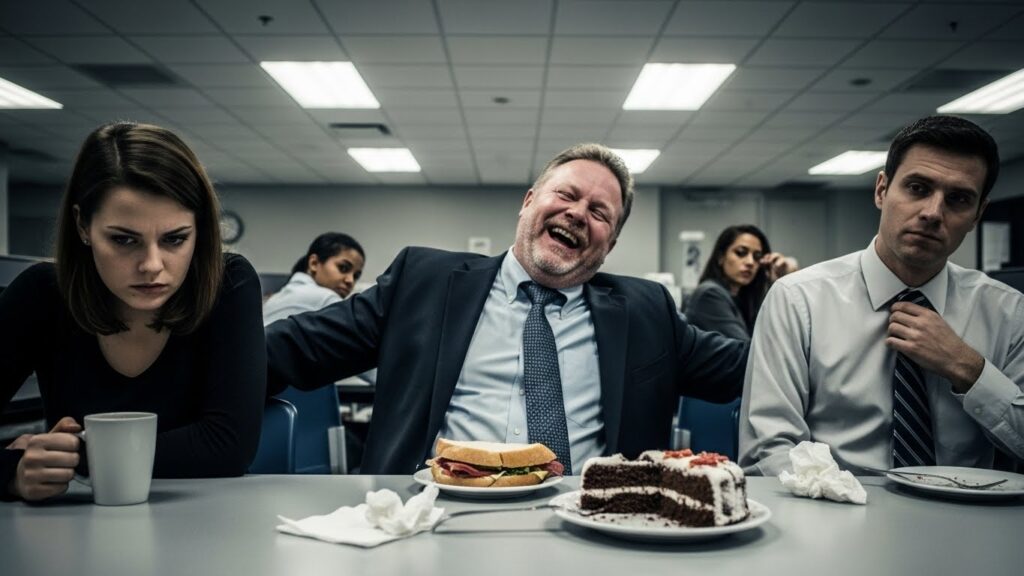
Hello Readers, throwaway for obvious reasons—I’m still in the same industry and don’t need this following me. I’ve been out of that job for five months now, and I’m only just able to talk about it without getting shaky. One “joke” my boss made during a team happy hour in July 2025 crossed a line that made me deeply uncomfortable, but when I spoke up, the reaction from my coworkers—and the company—showed me exactly how little my comfort mattered. No one wanted to acknowledge it was wrong. It wasn’t loud harassment; it was quiet, “playful,” and that made it worse. The fallout cost me friendships, my mental health, and eventually the job I’d loved for six years.
I’m 29F, former senior account manager at a mid-sized digital marketing agency in Portland. I’d been there since I was 23—started as an intern, worked my way up through grit and long hours. By 2025 I was leading major clients, mentoring juniors, consistently top-rated in reviews. The culture was “work hard, play hard”—open office, weekly happy hours, team retreats. We called ourselves a family. I believed it.
My boss “David” (48M) was the agency’s co-founder and chief creative officer—charismatic, loud, the guy who could sell anything to anyone. He had a reputation for “edgy” humor: off-color jokes, teasing people about their dating lives, commenting on appearances. Everyone laughed it off as “classic David.” I’d rolled my eyes plenty but never felt targeted—until I did.
The happy hour was July 18, 2025—a Friday, rooftop bar downtown, about 30 of us celebrating a big client win. Drinks flowing, music loud, good vibes. I was in a great mood—wearing a new sundress I felt cute in, laughing with my work friends.
Around 8 p.m., David stood on a chair for his usual “toast.”
He thanked the team, hyped the win, then started his “roast” segment—something he always did.
He went around the group: light jabs at people’s quirks, everyone laughing along.
When he got to me:
“And Alex—our queen of spreadsheets and killer pitches. Look at you tonight, all dressed up. Finally trying to catch someone’s eye? Because if you put half the effort into dating that you put into client decks, you’d be married with two kids by now!”
The group roared. A few “ooohs,” some cheers.
I forced a laugh, face burning.
But he wasn’t done.
“Seriously, Alex—when are you going to settle down? You’re not getting any younger. That biological clock is ticking louder than your keyboard at 2 a.m.!”
More laughter. Someone yelled, “Burn!”
I felt every eye on me.
I managed a weak, “Wow, thanks David,” and raised my glass.
Inside, I was mortified. I’m 29—not ancient. Single by choice after a bad breakup, focusing on my career. I’d never shared details about wanting kids or not. It felt personal, invasive, and sexist in a way I couldn’t quite articulate in the moment.
The night continued. People came up: “He was just joking!” “You know David.” “You looked hot—he was complimenting you!”
My “friends” laughed it off.
No one said, “That was out of line.”
I left early, went home, cried in the shower.
Monday: I went to HR.
Told them calmly: the comment made me uncomfortable, felt ageist and sexist, pressured me about personal life choices.
HR rep (woman, mid-40s): “David has a bold sense of humor. It’s part of our culture. No one else complained.”
I said, “I’m complaining.”
She nodded: “We’ll talk to him. Remind him to be mindful.”
David pulled me into his office that afternoon.
“Alex, HR said you were upset. I’m sorry if I offended you—that wasn’t my intent. It was just a joke. You know I think you’re amazing.”
I said, “It didn’t feel like a joke. It felt personal and demeaning.”
He sighed. “This generation is so sensitive. Back in my day, we could take a ribbing. Lighten up—it was a compliment.”
I left feeling gaslit.
The office vibe shifted.
Whispers: “Alex can’t take a joke.” “She went to HR over that?”
My close work friend “Tara” (who’d laughed loudest): “Honestly, it was funny. You overreacted.”
Another teammate: “David jokes about everyone. Why take it personally?”
No one backed me.
Clients stayed mine, but team lunches felt awkward. People stopped inviting me to drinks.
I started therapy—weekly, for anxiety and imposter syndrome it triggered.
September: annual reviews.
David gave me glowing feedback—raise, bonus—but added verbally: “You’re killing it. Just work on not taking things so seriously. Team morale matters.”
I began job hunting.
October: landed an offer—same level, better company, higher pay, fully hybrid.
Gave notice October 15.
David: “We hate to lose you. Is it money? We can match.”
I was honest: “I need an environment where I feel respected, even in ‘jokes.’”
He looked surprised. “It was one comment.”
“It was the reaction to the comment that mattered.”
Exit interview with HR: I detailed everything.
They nodded, said they’d “review policies.”
Left end of October.
Some old coworkers reached out: “Miss you!” but no one acknowledged why I left.
Tara texted once: “Hope you’re happy. Things feel weird without you.”
I didn’t reply.
New job is great—professional, kind, no “edgy” mandatory fun.
I’m healing.
My boss’s “joke” crossed a line no one wanted to acknowledge.
It wasn’t the words alone.
It was that everyone laughed, then punished me for not laughing along.
I learned: “We’re a family” often means “swallow discomfort or you’re out.”
I’m done with workplaces that confuse cruelty with culture.
If a “joke” makes you feel small, it’s not a joke.
And you don’t have to smile through it.
Thanks for reading. I needed to tell this somewhere.