The role of the Syrian Democratic Forces (SDF) as the “primary anti-ISIS force on the ground” has “largely expired” as the Syrian government is ready to assume security responsibilities, US Special Envoy for Syria Tom Barrack has said. “Historically, the US military presence in northeastern Syria was justified primarily as a counter-ISIS partnership,” Barrack wrote on X. He added that Syria’s situation has “fundamentally” transformed, with Damascus joining the Global Coalition to Defeat ISIS as its 90th member in late 2025. Syria is now “willing and positioned to take over security responsibilities”, including control of ISIL (ISIS) detention facilities and camps, he said.
Play Video
ISIL prisoners remain ‘top priority’ in Hasakah province: Expert
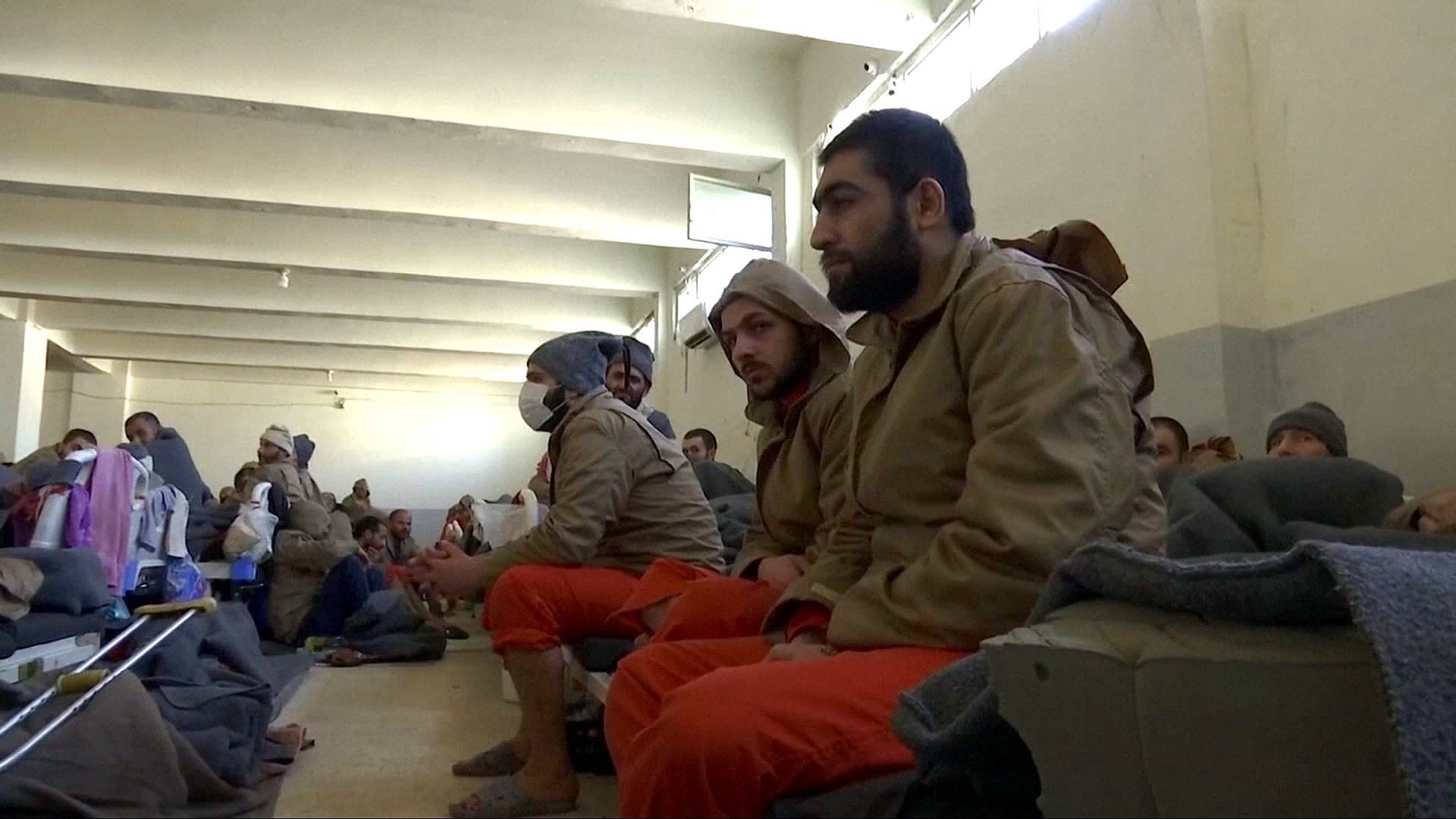
Muaz Al Abdullah, Middle East research manager at ACLED, says any security breakdowns near prisons holding ISIL fighters in Syria “carry serious ramifications and consequences for the security of Syria and the region as a whole”. Al Abdullah said this is particularly true given the fact that some detention facilities contain nearly 5,000 ISIL fighters, posing “a significant threat amid the current security vacuum in northeastern Syria”.
Syria’s war-ravaged oil sector faces tough road to recovery: Analysts
The Syrian government’s takeover of key oil and gas fields from the SDF in the country’s northeast has raised hopes for the revival of its dilapidated energy sector after years of war and international sanctions. Syrian officials announced on Sunday that government forces had taken control of several oilfields, including al-Omar, Syria’s largest, and the Conoco gas complex in the country’s north and northeast. But Damascus will face hurdles ranging from damaged infrastructure to chronic underinvestment as it looks to kick production into high gear, according to industry experts. “Despite the strategic importance of regaining oil and gas assets, translating sovereignty into production recovery will be gradual and technically complex,” Ahmad al-Dahik, an oil and gas expert based in Qatar, told Al Jazeera. “Oil reservoirs have suffered from unregulated extraction and equipment damage, while pipelines and processing facilities require extensive rehabilitation. Gas, by contrast, is generally less capital-intensive to restore and directly linked to electricity generation, making it the most likely early recovery priority.”

A worker walks past idle pumpjacks at an oilfield on the outskirts of the northeastern Syrian city of Qamishli, February 3, 2025 [Bernat Armangue/AP]