The US president says he spoke with his Syrian counterpart yesterday about the situation in Syrian prisons. “We have some of the worst terrorists in the world in those prisons,” Trump told reporters, stressing that al-Sharaa was “working very, very hard”. Trump was later asked what his administration would do to ensure that Kurdish rights in Syria are protected. “We get along with the Kurds, and we are trying to protect the Kurds,” he said.
If you’re just joining us
Here’s a recap of the most recent major developments:
- The Syrian presidency said that it reached an understanding with the Syrian Democratic Forces (SDF) under which the group will have four days to agree on a plan for the practical integration of the northeastern Hasakah province. A ceasefire will be in effect for those four days.
- Syria’s Interior Ministry said the army’s forces have begun to take control of the al-Hol camp in northeastern Syria, home to thousands of members of ISIL (ISIS) fighters’ families, as well as other long-term refugees from the conflict. The SDF abandoned control of the camp earlier today.
- Turkiye said it is investigating the burning of its flag during protests along its border with Syria by pro-Kurdish groups, coinciding with the clashes there between the Damascus government army and Kurdish-led forces.
- US President Donald Trump told the New York Post that he coordinated work to stop ISIL (ISIS) prisoners from escaping Syria’s al-Shaddadi prison on Sunday and Monday.
- Despite the ceasefire, government-allied groups are allegedly launching an attack in several areas, including Tal Baroud, Zarkan, and Raqqa, according to the SDF’s spokesperson, Farhad Shami.
Official says Kurdish region ready to integrate with state
Abdul Karim Omar, a Kurdish representative in Damascus, tells Al Jazeera that the northeastern region of Syria, formerly under SDF control, is ready for the process of integrating the SDF forces into the institutions of the Syrian state. Many questions remain on whether the four-day ceasefire announced this evening between the SDF and the Syrian government will hold, and whether the talks between the two parties to bring the Hasakah governorate into the state will bear fruit.
Syrian authorities warn residents of unexploded ordnance
Syria’s civil defence, known as the White Helmets, has warned residents in areas where fighting recently broke out to be careful about unexploded ordnance in homes and on roads. In a post shared on Telegram, the White Helmets said demining teams with the Ministry of Emergency and Disaster Management were conducting surveys in Deir Az Zor and in the towns of Maskana and Tabqa in the Raqqa countryside. “Be wary of any unfamiliar object, do not touch or move it, and report it immediately,” the post said.

A man smokes near a damaged bridge in Raqqa, Syria, January 20, 2026 [Karam al-Masri/Reuters]
Questions persist around control and command in Syrian military, SDF
With this ceasefire, there are several risks and dangers that fighting may continue. One of them is control and command of forces on the ground. The SDF is not a monolithic entity; It’s a coalition, and there are many fighters – from tribal fighters to PKK fighters, and the PKK fighters may not be so willing to lay down their weapons even though the SDF has said they should. We’ve seen previous statements by the SDF saying that they will abide by the ceasefire, but on the ground, the reality has been different. The government, too, is working with a sort of coalition. There are tribal fighters in their ranks and, on Sunday, after the [last ceasefire] deal was made, President al-Sharaa called for calm from them. There have been dangers in the past … Last July, tribal fighters aligned with the government were accused of carrying out sectarian killings in Suwayda. So there’s a real issue of how the control and command of Damascus and the SDF commanders relates to peace on the ground.
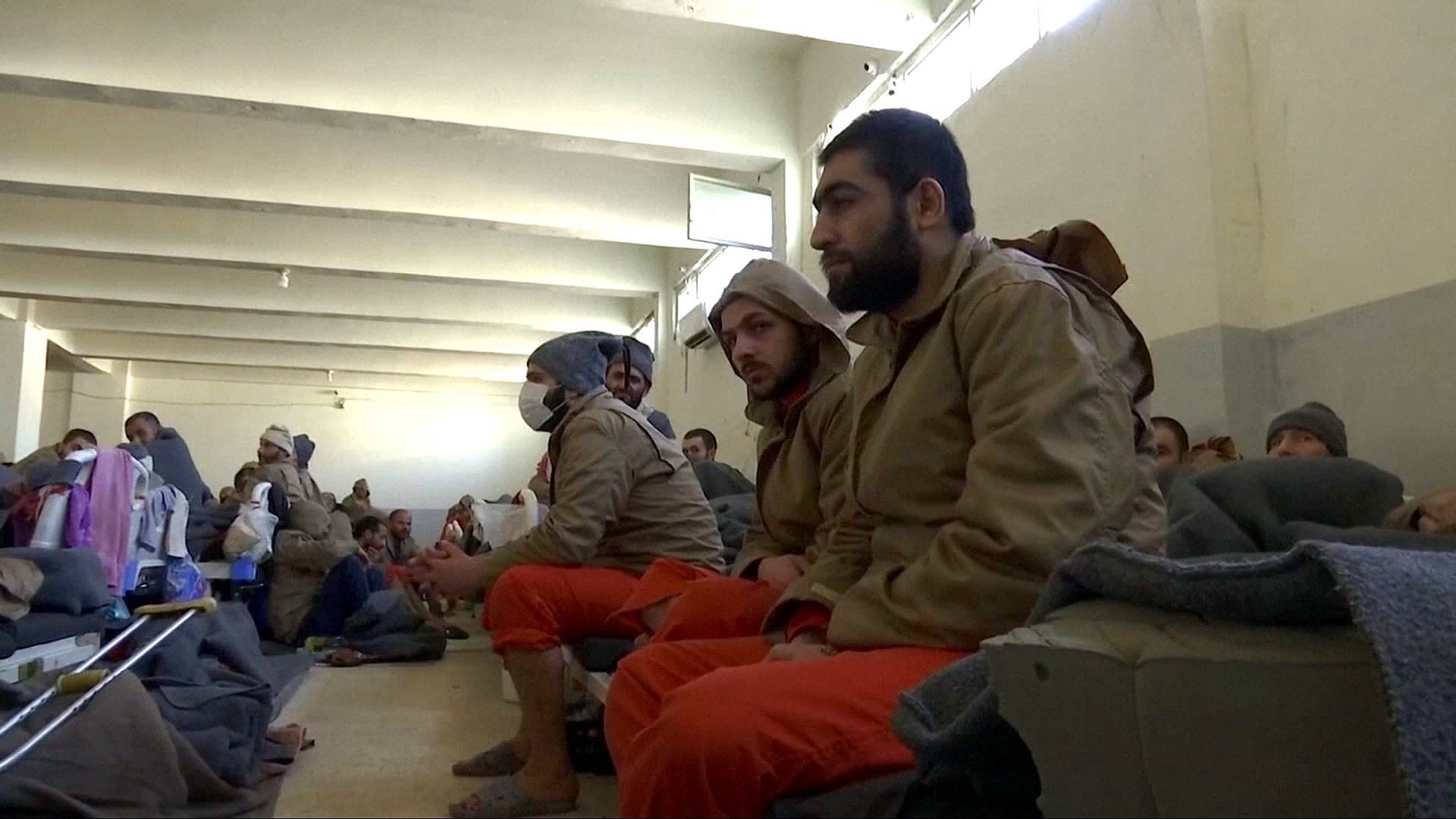
WATCH: What is happening at Syria’s ISIL prisons and why it matters
Fighting around two prisons holding thousands of ISIL detainees has exposed one of Syria’s most dangerous unresolved legacies. The SDF has managed facilities that held about 60,000 people at their peak. Human Rights Watch says approximately 18,000 detainees are foreign nationals from more than 60 countries, while most Western nations have refused to repatriate adult male fighters.
Play Video