US says a deal to stop the war on Iran could be signed as early as Sunday. Tehran, however, disputes the timeline.

United States President Donald Trump claims that the first stage of a peace deal with Iran will be signed on Sunday after more than 100 days of war that have triggered a global energy crisis and darkened the global economic outlook.
Tehran, however, has disputed the timeline, saying the signing of the deal could happen in the “coming days”.
The initial agreement, called a memorandum of understanding, would extend the current ceasefire for another 60 days, according to media reports.
So what is the latest peace deal, and will it be signed? Here’s what we know:
What have the US and Iran said?
On Thursday, shortly after threatening to take control of Iran’s Kharg Island oil facility, which processes 90 percent of Iran’s crude exports, Trump said he had called off strikes on the country because a deal with Tehran was close and could even be signed over the weekend.
The next day, Iranian Foreign Minister Abbas Araghchi said a memorandum of understanding (MoU) with the US had “never been closer”. Trump then shared Araghchi’s post on his Truth Social social media platform.
Iranian state media later reported extensive details of what they said was included in a document with the US, noting that it also included Lebanon, where Israel is conducting air strikes and a ground invasion in the south, in the agreement.
Trump had earlier complained that the “terms that Iran leaked out to the Fake News have NOTHING to do with the terms that were agreed to in writing” and warned Iran’s leaders to “get their act together, fast”.
Then on Saturday, Trump said in a social media post that a deal with Iran was scheduled to be signed on Sunday and the Strait of Hormuz would be immediately “open to all”.
Iranian Ministry of Foreign Affairs spokesperson Esmaeil Baghaei, however, said the MoU will not be signed on Sunday but added he does not rule out that it could happen in the “coming days”, according to state media.
“The Islamabad memorandum, which is being pursued, focuses on ending the war, and at this stage, it has been decided that there will be no discussion about the nuclear issue,” he said, referring to the document negotiated with the mediation of Pakistan.
“We must wait for the exact time of signing the memorandum; although it will not be tomorrow, the possibility that it will happen in the coming days is not ruled out,” he added on Saturday. “However, due to the other party’s instability, we must be cautious about any statements regarding this process.”
Pakistani Prime Minister Shehbaz Sharif said on Saturday on X that the finalisation of the US-Iran agreement is expected in the next 24 hours with “the electronic signing of the peace deal immediately after, followed by technical level talks next week”.
He thanked the US and Iran for their commitment during the talks and those in the region for their support.
“We are confident that this historic peace deal will form a strong foundation for lasting peace,” he concluded.
Reporting from Tehran, Al Jazeera’s Mohamed Vall said statements from the US and Iran indicated that the signing of the memorandum of understanding could happen soon although it’s not clear whether it will be an electronic signing or an in-person signing.
“Over the past few days, there were reports of preparations in Switzerland for a physical signing ceremony, but there has been no talk about that any more. The Pakistanis are now describing it as an electronic signing while the Iranians are not even confirming that for tomorrow,” he said on Saturday.
“So there is a level of ambiguity here and not just around timing but also the content,” he added.
What do we know about the latest potential deal?
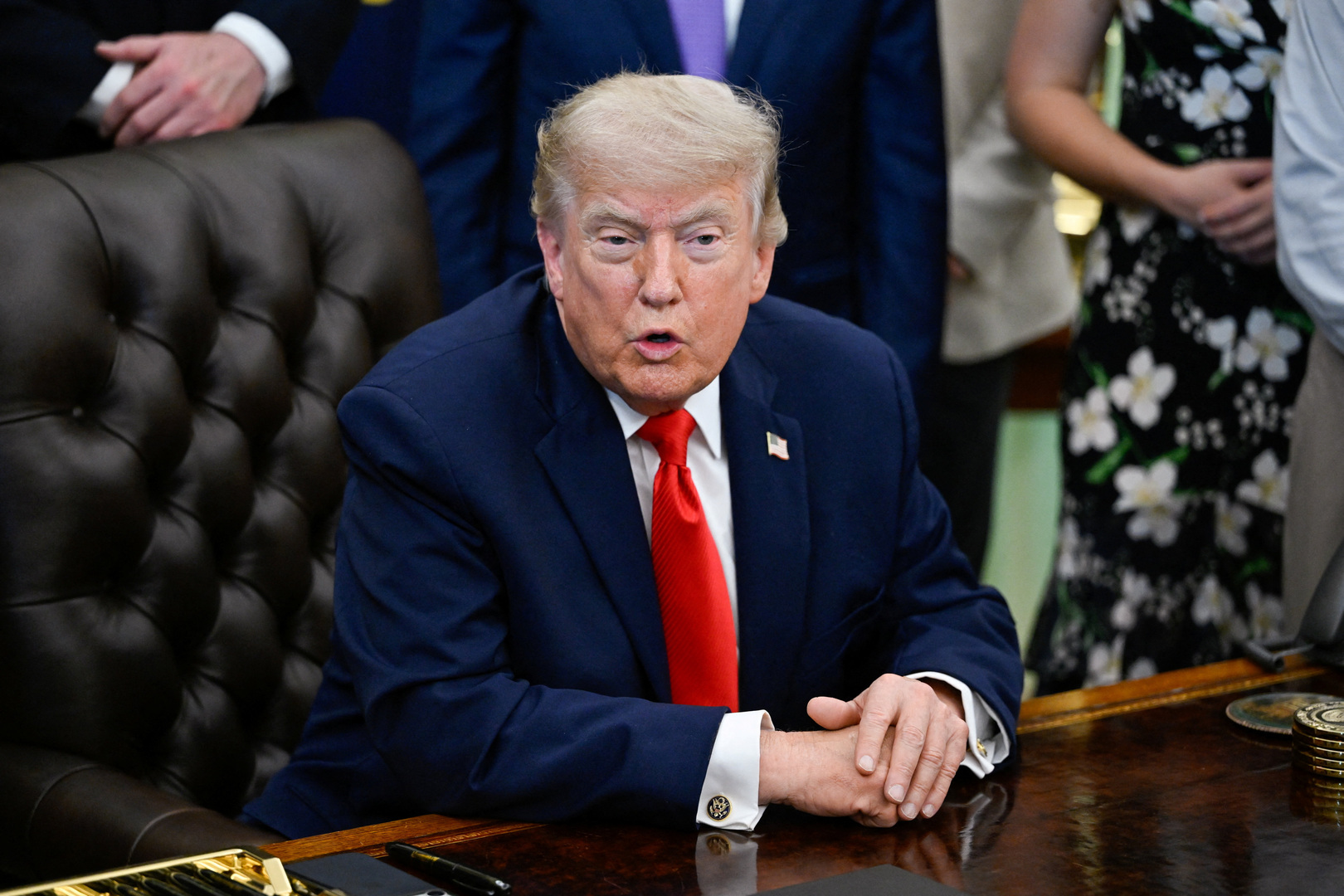
Trump on Saturday used all caps to describe the agreement with Iran as “a wall to no nuclear weapon” and said Tehran will agree to never acquire a weapon, “whether through purchase, development, or any other form of procurement”.
Once the first stage is signed, the Strait of Hormuz will be “open to all”, he posted, adding that “when all is calm”, the US will “get the Nuclear Dust” in Iran and “destroy it”. Trump uses the term “nuclear dust” to refer to enriched uranium.
Araghchi said on Friday that the agreement consisted of 14 points, of which the first is the lifting of the US blockade of Iranian ports. He said the MoU calls for an end to hostilities across all fronts, including Lebanon, and an agreement not to initiate war or use force.
Frozen Iranian assets will be released upon the MoU’s signing, he added. Araghchi said the nuclear issue will be discussed at a second stage and Iran’s position is that its enriched uranium should be diluted inside the country. He added that the second phase of negotiations is to also focus on the removal of US sanctions.
According to Vall, both sides are mixing what is in the MoU with their final goals, likely because both sides are trying to sell this to the public and probably to international parties as well.
“President Trump is talking about the nuclear issue alongside the MoU, even though we have been told that is something that is going to be dealt with in the 60-day negotiations period.” he said.
“The Iranians are also talking about levying fees in the Strait of Hormuz and the unfreezing of assets and so on,” he added.
“In short, now we know that the MoU is just the first step, and the sticking points will be discussed in the 60 days after it has been signed,” he said.
What are some of the sticking points of the deal?
Iran’s nuclear programme
After decades of hostilities, Tehran’s nuclear programme remains the central contentious point between the US and Iran.
The US has made it clear that Iran must not possess, buy or develop nuclear weapons – or even have the capacity to be able to do so.
Iran, conversely, maintains that its programme is for civilian purposes, which it is allowed to have under international conventions, but it could be willing to negotiate limits to its nuclear activities if sanctions are removed.
Tim Constantine, a writer for The Washington Times, said Trump is likely to present any agreement that prevents Iran from acquiring a nuclear weapon as a victory.
He told Al Jazeera that avoiding a wider war, reopening the Strait of Hormuz or calming markets would be “good byproducts” but Trump’s “number one priority is Iran not having a nuclear weapon”.
“And if he can point to where that is an absolute or is measurable and enforceable, then he can claim a victory. And I think the United States public will be willing to accept it.”
Sanctions
Iran is the most heavily sanctioned country in the world. Decades-long US sanctions against Tehran have crippled its economy, banking system and oil exports.
Iran has insisted on an end to the sanctions regime while the US has shown a willingness to work on lifting it in a phased and conditional manner, but differences over how to do this linger.
Frozen Iranian assets
The fate of billions of dollars of Iranian funds frozen overseas is another major sticking point.
Tehran wants access to these assets as part of any deal, arguing the money belongs to Iran and is needed for its economic recovery, especially after the damage inflicted by US-Israeli air strikes.
US negotiators have been reluctant to agree to a large-scale release of funds without significant concessions on Iran’s nuclear programme, however.
Extending the ceasefire to Lebanon
Israel’s bombardment and occupation of nearly one-fifth of Lebanon are a major sticking point in the US-Iranian peace negotiations, and Tehran is pushing for a broader regional ceasefire, including an end to strikes on its allies, such as Hezbollah in Lebanon.
So far, a US-brokered ceasefire between Israel and Lebanon has not stopped the bombings or ground invasion in southern Lebanon for even a day.
This past week, Iran upped the stakes for Israel’s continued disruption of a peace deal by launching missiles at it after Israel again bombed Beirut’s southern suburbs, home to many Hezbollah supporters.
What about the Strait of Hormuz?
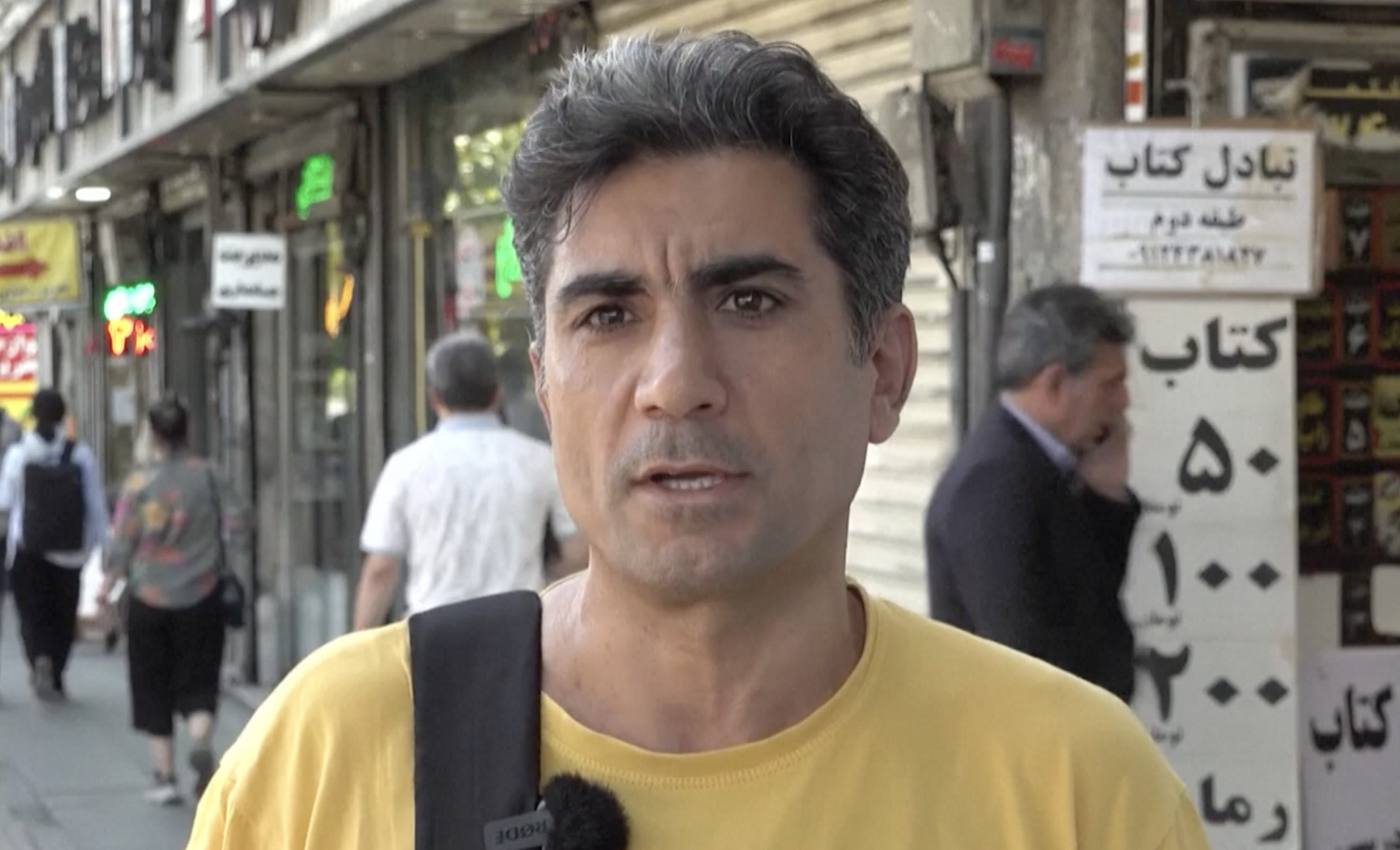
Iran closed the strategic waterway, which is the only route to open ocean for Gulf oil producers. Before the war, 20 percent of the world’s oil and liquefied natural gas supplies were shipped through the strait.
Iran at times has allowed ships from countries it deems “friendly” to pass through the strait but this week reaffirmed that the waterway was closed after new US strikes.
Iran views the Strait of Hormuz as its most important point of leverage in negotiations with the US, and it will not give up control of the strait, it has said. The US has imposed a corresponding naval blockade on Iranian ports to try to put Tehran under pressure.
On Thursday morning, Trump was still insisting that the US controls the strait, even as Iran’s Islamic Revolutionary Guard Corps maintain a firm grip over it and shipping traffic once again has stalled. Then on Saturday, he said the strait would be “open to all” but did not specify if the US naval blockade of Iranian ports would end.
Tehran, however, maintains that the strait is not in international waters but runs through the territorial waters of Iran and Oman and, therefore, it is considering charging vessels for transiting the waterway in the form of providing insurance cover or other shipping services.
How has the world reacted to the US-Iran deal?
United States
There has been little reaction from members of Trump’s Republican Party as expectations grow of an imminent deal with Iran. Some lawmakers, however, continued to criticise Tehran, saying it should never be allowed to have a nuclear weapon.
Republican Senator Ron Johnson said in a video published by the London-based Iran International news outlet that a nuclear-armed Iran would pose an “existential threat” to the US.
Democratic lawmakers have also expressed scepticism with Trump’s expected peace deal with Iran, “The President says the war is over. I hope that he is right,” Adam Schiff, senator for California, said on X. “But we have heard this before. Along with a raft of broken promises.”
“He has started new wars, but hasn’t reduced costs. And that has deeply harmed the American people,” he added.
Democratic Congressman Seth Moulton, meanwhile, described the potential deal as “basically a surrender document”.
United Kingdom
UK Prime Minister Keir Starmer welcomed Trump’s efforts to end the war in a phone call on Saturday.
“The Prime Minister expressed his support for President Trump’s efforts to bring the conflict with Iran to an end, welcoming the progress made and underlining the importance of ensuring any deal delivers a durable and lasting peace,” he said in a statement.

Israel
Reports of an imminent deal between Iran and the US have prompted an early backlash in Israeli media as some reporters and columnists expressed dismay at an agreement that they fear will further empower Tehran.
Writing in Maariv, Israeli columnist Ben Caspit argued that Prime Minister Benjamin Netanyahu has won key battles but lost the broader struggle with Iran.
“The only event whose power outweighs the military victories we achieved in recent years over Hamas, Hezbollah, and Iran is the political defeat we suffered against them immediately afterward,” Caspit wrote.
In the Haaretz newspaper, columnist Zvi Bar’el argued that Iran arrived at the negotiating table in a position of strength, “equipped with strategic levers of pressure that affected the regional and global economy”, forcing the US to improvise rather than pursue a coherent broader strategy. Iran, he contended, has moved beyond merely seeking survival and is once again asserting itself as a regional power.
Reporting from Ramallah in the occupied West Bank, Al Jazeera’s Nida Ibrahim said the Israelis could not stop the progress of these talks about a potential Iran-US deal but they maintain wanting to delink the two fronts – the one with Iran and the one with Lebanon.
“If you read between the lines in the analyses of certain military analysts, there seems to be a fear that Israel would have to provide concessions when it comes to its attacks and assaults on Lebanon as part of that deal,” she said.
“Just in the past night, the Israeli army has hit 70 targets inside Lebanon, bringing the total to 400 over the past week, so the belief is that they are trying to get away with as much as they can before they no longer can,” she noted on Sunday.
She added that a meeting is expected to be held by the Israeli security cabinet on Sunday night to discuss the ramifications and the details of the potential signing of the memorandum of understanding.
“But the [Israeli] government will have to face very tough questions, particularly when it comes to the war in Iran,” she said.