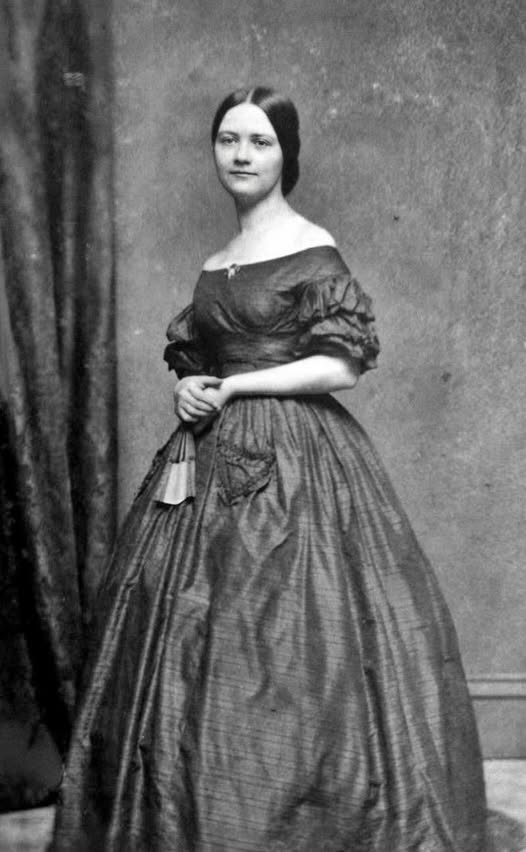
In the real West, women did not survive by smiles alone. One of the clearest examples was Poker Alice, a woman whose life is written into court records, newspapers, and the memory of mining towns that learned not to underestimate her.
She was born Alice Ivers and raised with books and manners. When her husband died young, she followed the mining camps west and learned a harder education. Cards paid better than sewing. Poker paid better than hope. She studied the game night after night, watching hands, reading faces, memorizing odds. Men saw a woman in lace and assumed she was harmless. That mistake cost them money.
Alice sat at tables packed with miners, cowboys, and professional gamblers. She did not drink while she played. She kept her mind sharp and her eyes open. When the cards were dealt, she was calm and exact. More than one man walked away angry after watching his wages slide across the table to her side. She earned her nickname honestly. She won because she was better.
Cheaters tried her too. Some thought a woman would stay quiet or look the other way. Alice did not. She called out crooked play when she saw it. She carried a pistol and she knew how to use it. In mining towns, that mattered. Word traveled fast. Poker Alice was fair, but she was not weak.
Later, she ran her own saloons, places where she set the rules and enforced them. Trouble followed her more than once. When men threatened her livelihood, she stood her ground. Court records show she survived gunfire, trials, and jail cells. She outlived many of the men who once laughed at her.
By the time she was old, Poker Alice had become a living reminder of something the West never liked to admit. Brains beat bravado. Nerves beat noise. And a woman who knew the game could empty a table and stare down danger without blinking.
That is not legend. That is history.