Trump says new supreme leader will ‘not last long’ without US approval hours before Mojtaba Khamenei selected.
United States President Donald Trump has again asserted that he would exert influence over Iran’s next supreme leader, saying that whoever is picked for the role without Washington’s approval is “not going to last long”.
The statement on Sunday came hours before Iranian state media reported that the Assembly of Experts had selected a new supreme leader, Mojtaba Khamenei, the son of Ayatollah Ali Khamenei, who was killed in the hours after the US and Israel launched a war on Iran on February 28.

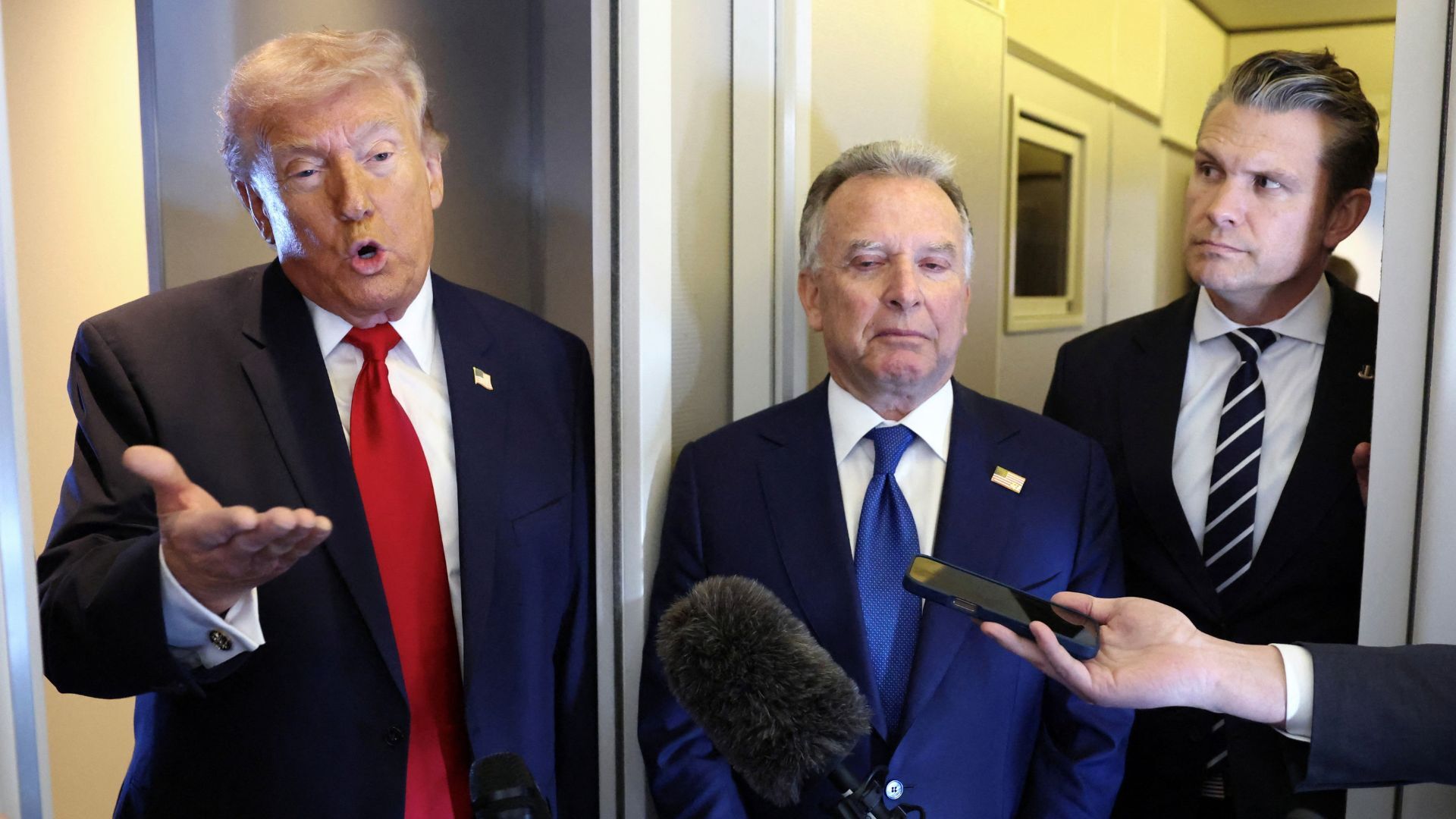
Trump did not immediately respond to the younger Khamenei’s selection, but broadly said earlier that any individual would need US approval. Iranian officials have denied that the Trump administration has had any influence on the decision.
“He’s going to have to get approval from us,” Trump told ABC News, referring to a possible new supreme leader. “If he doesn’t get approval from us, he’s not going to last long.”
Trump added that he did not want future administrations to have “to go back” in the years ahead, an apparent reference to future military action.
“I don’t want people to have to go back in five years and have to do the same thing again, or worse, let them have a nuclear weapon,” he said.
Officials in Iran, which has launched retaliatory attacks across the Middle East, have repeatedly rejected the notion of Washington asserting influence over the selection.
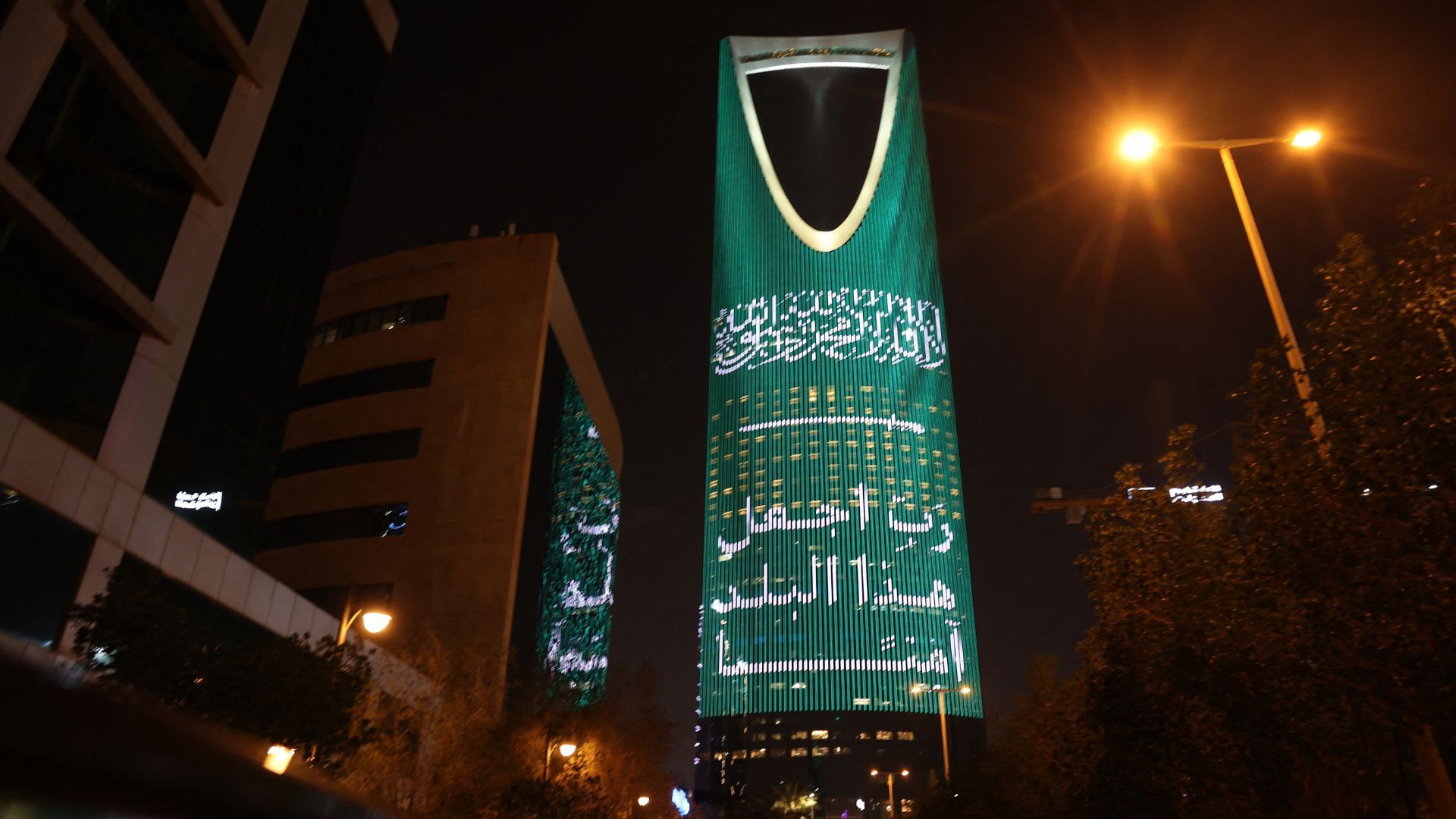
Earlier on Sunday, Iranian Minister of Foreign Affairs Abbas Araghchi again said that “we will allow nobody to interfere in our domestic affairs”.
“This is up to the Iranian people to elect their new leader,” he said, adding that Iranians had elected the Assembly of Experts, the body that selects the supreme leader.
Speaking to Al Jazeera, Barbara Slavin, a fellow at the Stimson Center in Washington, DC, pointed to Trump’s previous statements to US media in which he said he would not accept Mojtaba Khamenei as the next supreme leader.
“It’s a real finger in the eye to Donald Trump,” said Slavin, adding that the replacement of the elder Khamenei with his son would not be well received by a US public that polls show is already wary of the war.
“It’s going to increase the sense in the United States that this war was a mistake,” she said.
Seventh US soldier dies
Mojtaba Khamenei’s selection was announced shortly after the Pentagon confirmed that a seventh US soldier had died since the war began.
In a statement, US Central Command (CENTCOM) said the unidentified soldier had been wounded “at the scene of an attack on US troops in the Kingdom of Saudi Arabia on March 1”, and died on Saturday.
Further details were not immediately available.
Meanwhile, the death toll in Iran had risen to 1,332, with at least 11 people killed across the Gulf, and another 11 killed in Israel.
The US president has offered shifting justifications for the war, repeatedly pointing to Iran’s nuclear ambitions, its ballistic missile programme, as well as the totality of Iran’s actions in the region since the 1979 Islamic revolution.
Critics, including the majority of Democratic US lawmakers, have said Trump has provided scant evidence to prove that Iran posed an immediate threat.
On Sunday, Omani Minister of Foreign Affairs Badr Albusaidi, who had been overseeing indirect US-Iran talks on Tehran’s nuclear programme, again rejected US officials’ claims that Tehran had not entered into the negotiations in good faith.
Speaking during a ministerial meeting of the Arab League, Albusaidi said diplomatic initiatives seeking a “fair and honourable solution were making progress” when the US-Israeli attacks began.
He further warned that the region is facing “a dangerous turning point” as fighting escalates.
‘Short-term disruption’
Attacks from both sides appear to have widened, with the US and Israel for the first time striking oil storage and refining facilities in Tehran, and Iran launching more strikes across the Gulf, including a drone attack that caused material damage to a desalination plant in Bahrain.
Both Bloomberg and Axios have reported that the US and Israel have considered a special ground operation to seize Iran’s enriched uranium, with Israeli Ambassador to the US Yechiel Leiter telling CBS’s Face the Nation programme that securing the nuclear fuel is “on our radar screen, and we’re going to take care of it”.
For their part, top Trump administration officials spent Sunday seeking to alleviate concerns over the war’s knock-on effects on global oil and gas prices.
Rapidly rising prices represent a particular political vulnerability for Trump, as his Republican Party faces legislative midterm elections in November.
Speaking to Fox News, White House spokesperson Karoline Leavitt said the administration was responding to what she called a “short-term disruption”.
She said the administration was “tapping into our newfound market in Venezuela”, referring to access that US companies have gained to the South American country’s oil industry in the wake of the January 3 US abduction of Venezuelan leader Nicolas Maduro.
Energy experts have said that rebuilding Venezuela’s oil industry would likely be a multi-year process, and have questioned what immediate impact it could have in offsetting current shortages.
Speaking on Face the Nation, US Secretary of Energy Chris Wright also maintained that the war would not drag on and that any economic fallout would be fleeting.
Trump, who came into office on a pledge to end so-called “endless wars”, has said the operations against Iran could last “four to five weeks”, but he also said the conflict had “no time limit”.
Wright pointed to “a temporary period of elevated energy prices”, but denied there was an energy shortage “at all in the Western Hemisphere”.
He also underscored that the US has 400 million gallons of oil in the strategic oil reserves, and the administration is “more than happy to use that if it’s needed”.
“What you want is emotional reactions and fear that this is a long-term war,” Wright said. “This is not a long-term war; it’s a temporary movement.”