Voters choosing between incumbent PM Robert Golob and pro-Trump Janez Jansa, with neither likely to win parliamentary majority.
Slovenians are voting in a tight parliamentary election, as incumbent liberal Prime Minister Robert Golob takes on right-wing populist Janez Jansa, who is eyeing a comeback.
Polls opened at 7am local time (06:00 GMT) on Sunday and will close at 7pm (18:00 GMT), with exit poll results to be released after voting.

A return of Jansa, an admirer of United States President Donald Trump, could see the former Yugoslav nation, a European Union member of two million people, take an illiberal turn again after four years of centre-left rule under 59-year-old Golob.
Neither is likely to win a parliamentary majority in the vote, which could be decided by smaller coalition partners.
Latest opinion polls confirm Jansa’s Slovenian Democratic Party (SDS) and Golob’s Freedom Movement (GS) are set for a close race after an eleventh-hour campaign drama involving allegations of foreign meddling and corruption.

The last government of three-time premier Jansa, who is pro-Israel and an ally of nationalist Hungarian Prime Minister Viktor Orban, saw mass protests and EU criticism over rule-of-law concerns.
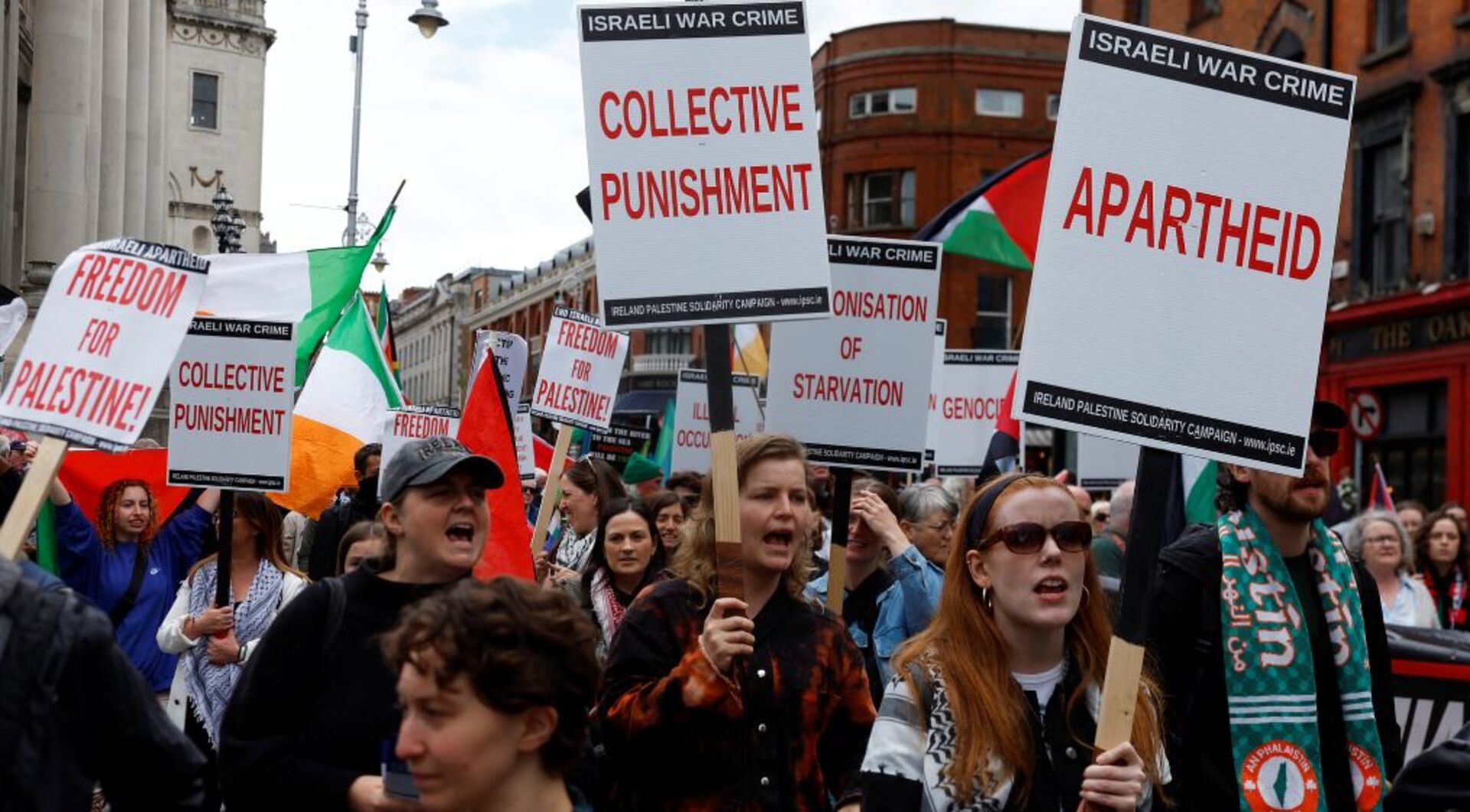
Under Golob, a political newcomer when he took over from Jansa in 2022, Slovenia legalised same-sex marriage and became one of the few EU countries to describe Israel’s war in Gaza as genocide.
Analysts say Jansa, 67, has a devoted voter base, and the lower the turnout, the higher the chances of him winning the election.
At stake is the domestic and foreign agenda of Slovenia, where the outgoing government focused on social and health reforms but delivered mixed results, resulting in a fall in popularity for Golob’s governing coalition.
Jansa has promised to introduce tax breaks for businesses and cut funding for civil society, welfare and media.
Slovenia, an Alpine country with a developed industrial base, emerged stronger from the collapse of Yugoslavia than other states such as Serbia or Bosnia and Herzegovina, which have been held back by war, economic sanctions and political infighting.
Jansa would also likely change Golob’s foreign policy under which Slovenia was one of the few European countries that recognised an independent Palestinian state and last year imposed an arms embargo on Israel.