My kitchen was supposed to be a sanctuary.
Soft buttery-yellow walls, the comforting scent of cinnamon and fresh oatmeal, morning light pouring through the windows like a gentle promise. For twenty years I had been Elena Vance — quiet, unassuming, almost invisible to the world. Invisibility had always been my greatest asset.
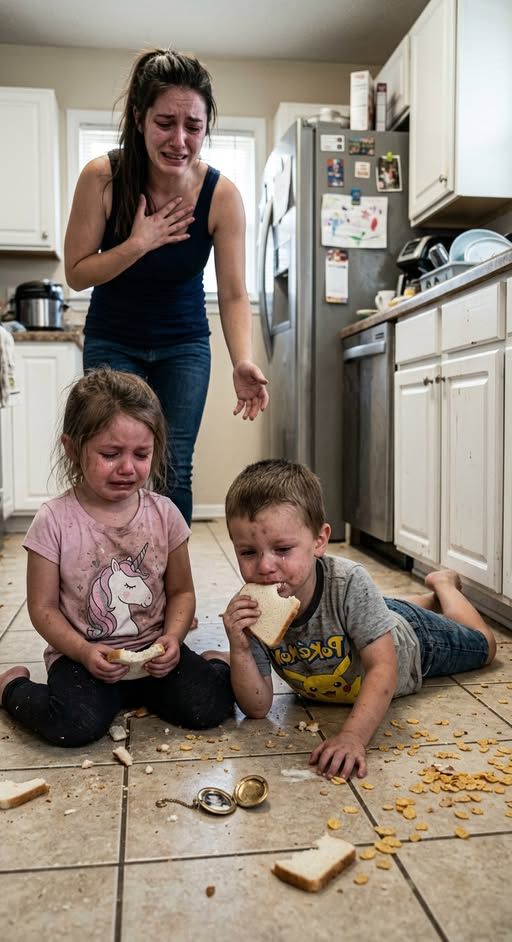
But the silence in my home now felt different. It was heavy, pressurized, carried in the small, rigid bodies of Leo and Maya — the seven-year-old twins I had adopted three weeks earlier.
They sat at the table like tiny soldiers awaiting orders. Their eyes — dark, ancient, far too old for their age — stared at the two bowls of warm oatmeal topped with honey and fresh berries. I had spent extra time making it beautiful, hoping a single sweet meal could create a new memory for children who seemed to know only bitterness.
They didn’t touch their spoons.
I smiled gently. “It’s okay. You can eat. No one will take it away.”
Leo’s small hands trembled. Maya’s eyes darted toward the floor. Then, in one heartbreaking motion, both children slid from their chairs and dropped to their knees. They began frantically licking the oatmeal off the tiles the moment I accidentally dropped my spoon.
My heart stopped.
I dropped to the floor with them. “No, no, babies — you don’t have to do that!” I pulled them up gently, but they flinched at my touch, curling into themselves like frightened animals. When I turned on the morning news for background noise, they both panicked and crawled under the table, trembling.
A chill ran down my spine.
This wasn’t normal anxiety about a new home.
They had been trained.
For the next few days, I watched.
I watched how they ate only when they thought I wasn’t looking. How they hid food in napkins. How they flinched at sudden movements. How Maya would freeze completely if anyone raised their voice, even on television. How Leo would stand guard in front of his sister whenever I entered the room, as if ready to take a blow for her.
I was a retired intelligence operative. Twenty years of unraveling the darkest secrets of powerful men. I had seen the worst humanity could offer.
But nothing prepared me for this.
These children — my children now — had been broken by someone who was supposed to protect them.
I started investigating quietly. Old case files. Sealed adoption records. Quiet conversations with social workers who suddenly became nervous when I asked questions. The truth was uglier than I feared.
Their previous “foster father” — a man with political connections — had run a house of control and punishment. Food was a reward for silence. Dropped scraps were to be eaten off the floor. Noise was met with violence. The children had been conditioned like animals.
The system had failed them.
But I would not.
That night, after the twins finally fell asleep holding each other, I made a call.
Not to the police. Not yet.
I called old contacts — people who owed me favors from a life I had tried to leave behind. By morning, I had a complete file on the man who had broken my children.
And I had a plan.
Two weeks later
I invited the man to my home under the pretense of a “final handover meeting” required by the adoption agency. He arrived in an expensive suit, smiling like a saint, carrying gifts for “his dear children.”
The moment he stepped inside, the front door locked behind him.
Leo and Maya were safely at a neighbor’s house with a trusted friend.
I stood in the living room in the same plain clothes I always wore — the unassuming mother he had underestimated.
“You trained them well,” I said quietly. “Eating off the floor. Staying silent. Flinching at noise. You turned innocent children into frightened animals.”
He smirked. “They were difficult. I taught them discipline.”
I stepped closer, voice ice-cold.
“You taught them terror. And now I’m going to teach you consequences.”
I played the recordings I had gathered — hidden cameras, audio from their nightmares, witness statements from other children who had been in his care. His face went pale as the evidence mounted.
By the time the police arrived (called anonymously by me earlier), he was on his knees begging.
The man who had once broken my children was arrested on multiple counts of child abuse and endangerment. The case exploded in the media. His political friends abandoned him. His perfect image burned to ash.
Six months later
Leo and Maya laughed loudly in the backyard as they chased butterflies. Their eyes were bright again. They no longer flinched at sudden sounds. They no longer hid food.
They called me “Mom” without hesitation.
I sat on the porch watching them, the weight of twenty years of secrets finally lifted. I had spent my career protecting strangers.
Now I had protected what mattered most.
Some monsters wear suits and call themselves fathers.
But the real protectors? They’re the quiet ones who see the broken children no one else wants — and choose to become their armor.
THE END