Hello Readers, throwaway because a few mutual friends might recognize this. I’ve been sitting on this story for about six months, and I think I’m finally ready to share it. It’s not dramatic—no theft, no betrayal in the classic sense—just a slow, painful realization that the person I would have moved mountains for wouldn’t have lifted a finger for me. This happened throughout 2025, with the final moment in late November. It still stings, but writing it out is helping.
I’m 32F, single, no kids, graphic designer working remotely for a mid-sized agency. I’ve always been the “helper” in my friend group—the one who shows up with soup when you’re sick, drives you to the airport at 4 a.m., listens for hours when your relationship implodes. I don’t say that to brag; it’s just who I am. I like feeling useful, and I genuinely care.
The person in question is “Lila” (fake name), 31F. We met eight years ago through a mutual friend at a yoga retreat and clicked instantly. Same sense of humor, similar taste in music, both creative types (she’s a photographer). We became each other’s go-to person. Weekend brunches, late-night phone calls, girls’ trips. She was the friend I called first with good news and bad.
In early 2024, Lila’s life started falling apart.
First, her long-term boyfriend cheated and left. She was devastated—couldn’t eat, couldn’t sleep, moved back in with her parents two states away for a month. I dropped everything to support her. Drove six hours each way on weekends to sit with her, brought her favorite snacks, helped pack her apartment when she decided to sublet it. I listened to her cry for hours on FaceTime almost every night.
Then, six months later, she got laid off from her staff photographer job during company cutbacks. Freelance dried up fast. She was panicking about money. I sent her job listings, edited her portfolio, even connected her with my agency contacts. When she said she couldn’t afford rent anymore, I offered my spare room rent-free “for as long as you need.” She moved in with me in March 2025—two suitcases, her camera gear, and a broken spirit.
I thought it would be temporary—three, maybe six months while she got back on her feet.
For the first couple of months, it was fine. We cooked together, watched trashy reality TV, stayed up talking like old times. I didn’t mind covering groceries or utilities; I make decent money and wanted to help.
But slowly, things shifted.
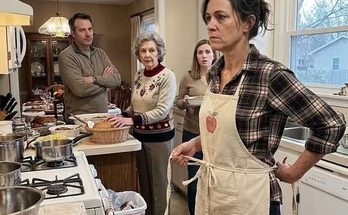
Lila stopped applying for jobs as aggressively. She’d sleep until noon, spend afternoons scrolling or editing personal photos, then say she was “too drained” to send pitches. I’d come home from a full workday (even remote, I have deadlines) and cook dinner while she sat on the couch. Dishes piled up—hers, mostly. I’d gently ask her to help; she’d do it once, then forget.
I started feeling like a live-in maid and emotional support human.
Still, I told myself: She’s depressed. She’s healing. Be patient.
In July, her mom got diagnosed with breast cancer. Lila was wrecked. She flew home for surgeries and chemo appointments. I paid for half her flights without hesitation, took over all housework while she was gone, sent care packages to her mom. When Lila came back exhausted, I let her cry on my shoulder, made her tea, canceled my own plans to be there.
By September, her mom was in remission—great news. Lila seemed lighter. She started booking small freelance gigs, talking about moving out “soon.” I was relieved.
Then, in October, my own crisis hit.
My dad had a massive heart attack. He survived, but needed emergency bypass surgery. He lives four hours away with my mom, who’s mobility-limited after a stroke years ago. I was terrified—dad’s my rock. I took two weeks off work, drove home, helped coordinate care, stayed at the hospital, managed meds, meals, everything.
I was running on fumes—barely sleeping, crying in the car between hospital visits, fielding work emails when I could.
I texted Lila updates. Asked if she could handle a couple things at home—water my plants, bring in mail, maybe throw in laundry so I didn’t come back to chaos. Simple stuff.
Her replies were supportive emojis and “thinking of you.” No offers to help beyond that.
When I got home after two weeks, the apartment was a mess. Dishes in the sink, trash overflowing, my plants half-dead. She’d had friends over (empty bottles everywhere) and hadn’t touched anything I’d asked.
I was too exhausted to fight. Just cleaned it all silently.
The final moment came the weekend before Thanksgiving.
I was still recovering—dad was home but fragile, I was behind on work, holiday stress building. I had a migraine from hell Saturday night. Texted Lila (who was out with new friends) that I was struggling, could she pick up some meds and soup on her way home?
She replied: “At a gallery opening, might be late. Can you order delivery?”
I stared at my phone and felt something break.
This was the person I’d rearranged my entire life for—multiple times—and she couldn’t stop at a pharmacy for me.
Sunday morning, I asked if we could talk.
I told her calmly: “Lila, I love you, but this living situation isn’t working anymore. I’ve been happy to help you through everything, but I realize now it’s not reciprocal. I need space, and I think you’re ready to stand on your own.”
She was shocked. Started crying. “I’ve been so depressed, I didn’t realize I was burdening you. Of course I’ll move out. I’m so sorry.”
Part of me softened—she looked genuinely remorseful. But then she added, “Can I stay until the end of December? Just to find a place and save a bit?”
I’d heard that timeline shift for months. I said no. “I need you out by December 1. I’ll help you pack and find somewhere affordable.”
She moved out two weeks later into a shared house with new photographer friends. We’re polite in texts—surface-level check-ins—but the closeness is gone.
Since then, I’ve heard through mutuals that she tells people I “kicked her out when she was vulnerable” and “wasn’t a real friend when it mattered.” It hurts, but I know the full context.
I don’t regret helping her. I’d do it again for someone who needed it. But I’ve learned a hard lesson: generosity without boundaries becomes resentment, and one-sided support isn’t friendship—it’s enabling.
I’ve pulled back from being everyone’s emergency contact. I say no more often. I protect my energy. My plants are thriving now, my apartment is peaceful, and I’m planning a solo trip in spring with zero guilt.
I helped someone who wouldn’t—and probably couldn’t—do the same for me.
And that’s okay. Because I know my own heart, and I’m finally putting it first.
If you’re the perpetual helper reading this: it’s not selfish to expect reciprocity. Real friends show up both ways. You deserve that too.
Thanks for reading. Needed to get this out.