A history professor discovered why we keep missing the warning signs — and why that means we still have time.
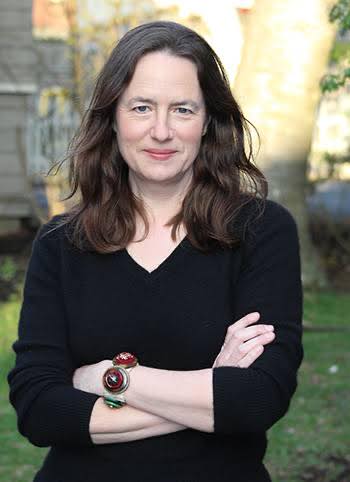
Her name is Heather Cox Richardson. While most of us scroll through news until anxiety becomes our default setting, she sits at her desk examining something different. Not today’s headlines. Yesterday’s patterns.
Richardson is a historian at Boston College who has spent decades studying the moments when societies fracture and the moments when they heal. She has walked through archives documenting civilizations that collapsed and movements that triumphed. She has read the letters of ordinary people living through extraordinary upheaval.
And she has discovered something that changes everything about how we see our present moment.
Here is what she wants us to understand.
Imagine an ordinary family living in America in 1859. To us, reading history books with the benefit of hindsight, the Civil War seems inevitable. We see the timeline. We know the dates. We watch the dominoes fall in perfect, tragic sequence.
But to the people actually living through 1859? Nothing felt inevitable at all.
They were regular people going about their lives. They noticed tensions rising. They heard rhetoric growing sharper. They saw neighbors who once shared meals stop speaking to each other. They felt the ground shifting beneath their feet.
But they also believed someone else would fix it. They thought cooler heads would prevail. They assumed the system was stronger than any single crisis.
Step by step, day by day, they walked into a catastrophe they could have prevented.
This is the curse of studying history. You see exactly where the exit ramps were. You see exactly where people had chances to change course. You see the moments when one different choice could have altered everything.
But here is where Richardson’s message transforms from warning into hope.
The past is locked. The ink is dry. Those families in 1859 cannot change their trajectory now. Their story is written.
But our story? Our story is still blank pages.
We are not walking in the dark the way they were. We have something they lacked. We can see the patterns. We know what happens when institutions erode. We know what happens when we dehumanize those who disagree with us. We know what the warning signs look like.
That knowledge that hard-won, painful knowledge purchased with the suffering of previous generations is our advantage.
Richardson has studied enough history to know that civilizations rarely collapse in one dramatic moment. They erode gradually. They die by a thousand small surrenders. They fade when good people decide the fight is too exhausting. They crumble when we forget that the system is not something separate from us. The system is us.
But history also teaches the opposite lesson.
The women who fought for the right to vote were not guaranteed victory. They marched for decades. They were imprisoned. They were mocked and dismissed. The outcome was never certain. But they showed up anyway.
The activists who transformed civil rights in America faced violence, intimidation, and countless defeats. The path was never clear. The victory was never assured. But ordinary people, tired and scared, chose to keep standing.
Those achievements felt impossible while they were happening. People living through those struggles could not see the ending the way we can now. They could not know their efforts would succeed.
But they showed up. Day after difficult day. They showed up.
We are standing at our own crossroads now. The next chapter is blank. That blankness feels terrifying. But it is also our opportunity.
Every single day contains choices. How we speak to each other. Whether we engage or withdraw. Whether we let momentum carry us toward outcomes we fear — or whether we pick up the pen and write something different.
Heather Cox Richardson has dedicated her life to studying the ghosts of history. She knows their stories by heart. She has traced their mistakes and their triumphs.
But she does not live in the past.
She lives in the radical hope of the present moment. The hope that comes from understanding that terrible inevitability only applies to what has already happened.
Tomorrow is still being written. The cement is still wet. And we all hold the tools to shape it.
History is not a prison. It is a map. And the people who understand that map best are the ones telling us we still have time.
The question is not whether we can change the story. The question is whether we will.