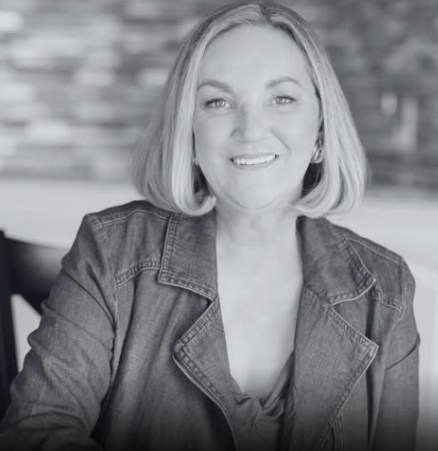
“She saw nurses drawing straws to see who would enter the hospital room. There was a red biohazard bag on the door. Everyone was terrified. She walked in anyway. What she found inside changed 1,000 lives.”
University Hospital, Little Rock, Arkansas.
1984.
Ruth Coker Burks is 25 years old, visiting a friend, when she notices something that makes the nurses turn away in fear.
A hospital room door marked with a big red biohazard bag.
She watches as nurses draw straws to see who will have to go inside.
No one wants to enter that room.
Ruth has a gay cousin. She understands what that red bag means in 1984.
AIDS.
The disease killing young men by the thousands. The disease everyone fears touching, breathing near, even speaking about.
The disease that makes people draw straws rather than show basic human compassion.
Ruth doesn’t draw straws.
She walks in.
The Room Everyone Feared
Inside is a skeletal young man.
He weighs maybe 32 pounds. He’s dying. He’s terrified. He’s in excruciating pain.
And he keeps asking for his mother.
Ruth steps back into the hallway and tells the nurses: “Call his mother.”
They laugh.
“Honey, his mother’s not coming. He’s been here six weeks. Nobody’s coming.”
Ruth convinces them to give her the phone number anyway. She makes one last call.
The mother’s response is clear and cold:
Her son is sinful. He’s already dead to her. She will not be coming to see him die.
So Ruth goes back into that room.
She takes his hand.
And she stays.
For 13 hours, she holds the hand of a complete stranger while he takes his last breaths on Earth.
When he dies, his family refuses to claim his body.
The hospital wants to dispose of him in a mass grave for unclaimed bodies.
Ruth decides right there: not this one. Not on my watch.
The First Grave
Ruth owns hundreds of plots in her family’s cemetery—Files Cemetery—where her father and grandparents are buried.
“No one wanted him,” she says. “And I told him in those long 13 hours that I would take him to my beautiful little cemetery, where my daddy and grandparents were buried, and they would watch out over him.”
The closest funeral home willing to cremate an AIDS victim is 70 miles away.
Ruth pays out of her own savings.
A friend at a local pottery shop gives her a chipped cookie jar to use as an urn.
Ruth uses posthole diggers—the kind you use to build fences—to dig the grave herself.
She buries him. She says a few kind words over the grave, because no priest or preacher will come to speak over a man who died of AIDS.
Ruth thinks that will be the end of it.
It’s only the beginning.
Word Spreads
Word travels across Arkansas:
There’s a woman in Hot Springs who isn’t afraid.
There’s a woman who will sit with you when you’re dying.
There’s a woman who will bury you when your own family won’t.
They start coming.
From rural hospitals across the state. Dying young men, abandoned by the people who were supposed to love them most.
Parents who won’t visit. Siblings who won’t call. Communities that pretend their sons never existed.
Ruth becomes their hospice.
Their nurse. Their mother. Their family.
Their witness.
1,000 Lives
Over the next ten years, Ruth Coker Burks cares for more than 1,000 people dying of AIDS.
Most of them are young gay men whose families have disowned them.
She buries 40 of them herself in Files Cemetery.
Her young daughter comes with her, carrying a little spade while Ruth works the posthole diggers. They have “do-it-yourself funerals” because still, nobody will say anything over their graves.
Out of those 1,000 people, only a handful of families don’t reject their dying children.
Ruth calls parents. She begs them to come. To say goodbye. To claim their child’s body.
Most refuse.
“Who knew there’d come a time,” Ruth says, “when people didn’t want to bury their children?”
The Worst and the Best
Ruth sees the worst in people:
Parents abandoning children. Churches refusing burials. Communities turning their backs. Fear winning over love again and again and again.
But she also sees the best:
She watches gay men care for their dying partners with devotion that breaks your heart.
“I watched these men take care of their companions and watch them die,” she says. “Now, you tell me that’s not love and devotion.”
And she sees how the community rallies to support each other—and her.
“They would twirl up a drag show on Saturday night and here’d come the money. That’s how we’d buy medicine, that’s how we’d pay rent. If it hadn’t been for the drag queens, I don’t know what we would have done.”
The drag queens fundraise.
The gay community shows up.
Ruth keeps digging graves and holding hands and making sure no one dies alone.
The Forgotten Hero
By the mid-1990s, better treatments emerge. Education improves. Social acceptance—slowly, painfully—begins to shift.
Ruth’s work becomes less necessary.
She stops caring for patients personally.
And then, like so many heroes of the AIDS crisis, Ruth Coker Burks is largely forgotten.
Her story slips into the background of history, known only to the community she served and the few who remember what Arkansas was like in the 1980s.
When dying of AIDS meant dying abandoned.
When red bags on doors meant draw straws to see who has to show basic human decency.
When families could look their own children in the eye and say: You’re already dead to me.
The Memorial
But Ruth never forgets the 40 people buried in Files Cemetery.
The ones in cookie jars and chipped ceramic urns.
The ones whose families never came.
The ones she promised would be remembered.
For years, she dreams of a memorial. Something permanent. Something that says:
This happened.
These people existed.
They were loved.
They mattered.
Thanks to a crowdfunding campaign, that memorial is finally being built.
Ruth hopes it will read:
“This is what happened. In 1984, it started. They just kept coming and coming. And they knew they would be remembered, loved and taken care of, and that someone would say a kind word over them when they died.”
The Woman Who Walked In
Ruth Coker Burks is in her 60s now.
She wrote a memoir in 2020 called “All the Young Men” because she wanted people to know what happened in Arkansas in the 1980s.
What happened across America.
What happens when fear and prejudice convince people to abandon their own children.
And what happens when one person decides to walk through the door everyone else is afraid to open.
What It Takes
Ruth didn’t have medical training.
She didn’t have institutional support.
She didn’t have much money.
She had compassion.
She had courage.
She had posthole diggers and a family cemetery.
And that was enough to make sure 1,000 people didn’t die alone.
Remember This
The next time someone tells you one person can’t make a difference, remember Ruth Coker Burks.
Remember the red bag on the door.
Remember the nurses drawing straws.
Remember the 13 hours she stayed when a mother wouldn’t come.
Remember the 40 graves she dug herself with posthole diggers.
Remember the drag queens who twirled up fundraisers on Saturday nights.
Remember the young men who cared for dying partners with love that would break your heart.
Remember that compassion is stronger than fear.
Remember that love is more powerful than prejudice.
And remember that sometimes the most revolutionary thing you can do is simply refuse to let someone die alone.
The Choice
In 1984, Ruth Coker Burks had a choice.
She could walk past that red bag like everyone else.
She could let fear win.
She could decide it wasn’t her problem, wasn’t her responsibility, wasn’t her place.
She could draw straws.
Instead, she walked in.
And 1,000 lives were changed because of it.
Forty graves were dug.
Forty cookie jars and ceramic urns hold ashes that families refused to claim.
Forty people who were told by their own families that they were sinful, shameful, already dead—
They got buried with dignity anyway.
In a beautiful cemetery.
Where Ruth’s daddy and grandparents could watch over them.
Where someone said kind words.
Where someone remembered their names.
The Question
There’s a red bag hanging on a door somewhere right now.
Not literally. Not always AIDS.
But there’s always a door everyone is afraid to walk through.
There’s always someone everyone else has decided isn’t worth the risk.
There’s always a situation where compassion requires courage.
The question isn’t whether those doors exist.
The question is: Will you walk in?
She was 25 years old in 1984.
She saw nurses drawing straws to enter a hospital room.
She walked in anyway.
For 13 hours, she held the hand of a dying stranger whose mother wouldn’t come.
Then she buried him herself.
Then she did it again.
And again.
And again.
Forty times.
One thousand lives.
Ruth Coker Burks.
The woman who refused to let anyone die alone.
The woman who proved that one person with posthole diggers and a family cemetery can change the world.