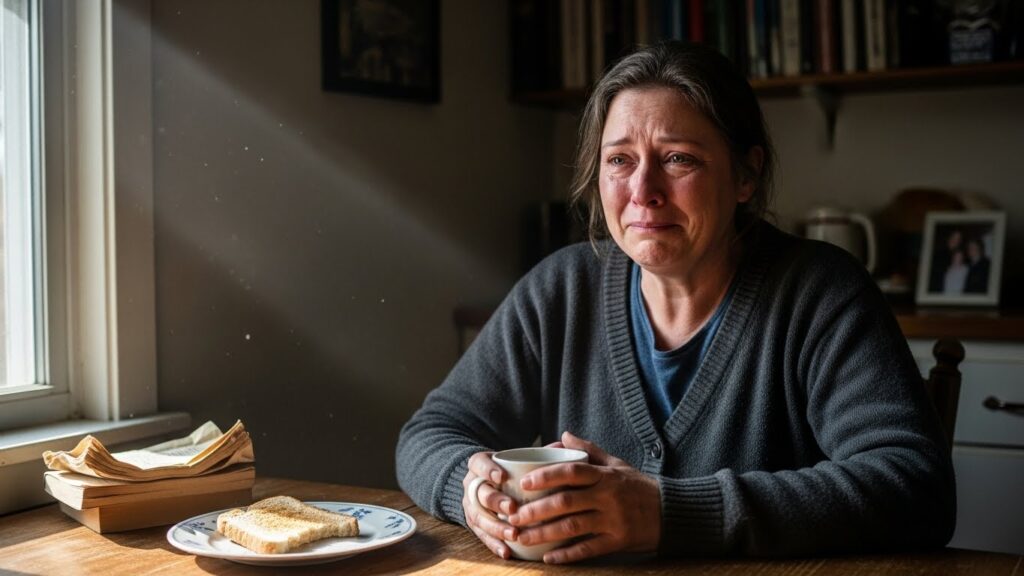
Hello Readers, throwaway because some people from my old life still have my main account added. I ended an eleven-year relationship four months ago, in September 2025, and I’m only now able to write about it without crying. Everyone who knew us thought we were the golden couple — stable, affectionate, future-proof. But the truth is, I stayed way longer than I should have, and I finally left not because I fell out of love overnight, but because I was so deeply, chronically tired that I couldn’t take one more day.
I’m 37F, my ex “David” is 38M. We met at 26 in grad school, bonded over late-night library sessions and terrible cafeteria coffee. He was kind, smart, funny in a dry way, and made me feel safe. We moved in together at 28, got engaged at 30, bought a house at 32, adopted two cats, built a life that looked perfect on Instagram. We both climbed in our careers — me in public health policy, him in finance — and made good money. Friends asked us for relationship advice. I thought we were solid.
But somewhere around year five or six, the balance shifted in a way I didn’t notice until it was crushing me.
David is conflict-avoidant to an art form. He never raised his voice, never slammed doors, never called me names. Instead, any time I brought up a need or a problem, he’d go quiet, nod a lot, say “I understand,” and then… nothing would change. Over time, I learned that raising issues made him withdraw for days, so I started swallowing them.
Examples piled up like invisible bricks.
- I’d ask for more help with housework. He’d say, “Of course, just tell me what you need.” I’d make a list. He’d do two things once, then drift back to his old habits. I’d end up doing it myself to avoid the tension of reminding him.
- I’d say I felt disconnected and wanted a weekly date night. He’d agree enthusiastically, we’d have one great evening, then the next three weeks would pass with Netflix on the couch and zero initiative from him.
- I’d mention that his habit of checking fantasy football stats during dinner bothered me. He’d apologize, put the phone away for that meal, then slowly pick it up again the next night.
- Intimacy faded. I’d try to initiate; half the time he’d be “too tired” or fall asleep. When I gently brought up feeling undesired, he’d say, “I’m attracted to you, I’m just stressed,” and promise it would get better. It didn’t.
Every time I pushed for real change, he’d get overwhelmed and say, “I’m trying, but you always focus on what’s wrong.” I’d end up comforting him for feeling criticized.
I became the emotional manager of the relationship. I planned everything — vacations, social events, holiday gifts for both families, vet appointments, home repairs. I tracked our budget, made sure bills were paid, remembered anniversaries. He contributed when asked, but the mental load of noticing, deciding, and delegating was 95% mine.
I told myself this was normal. “Relationships require work.” “Men are like this.” “I’m lucky he’s not abusive or cheating.” I read books on communication, tried new approaches — softer language, appreciation sandwiches, scheduling “check-ins.” Nothing stuck.
By year nine, I was exhausted all the time. Not just physically, but soul-tired. I’d lie awake next to him wondering why I felt so alone in my own bed.
I suggested couples therapy three separate times. Each time he said, “If it’ll make you happy, sure,” but then found reasons to delay booking — work deadlines, travel, “let’s try on our own first.” I went to individual therapy alone and spent months working on my “anxiety” and “perfectionism.”
The pandemic made it worse. We were both remote, home 24/7. I cooked elaborate meals to feel useful; he played more video games to unwind. I managed the cats’ vet visits during lockdowns; he forgot they had names sometimes. I kept our friend connections alive with Zoom trivia nights; he’d join late or leave early.
By 2024, friends started asking if everything was okay. I’d smile and say, “Just the usual long-term stuff.” Inside, I was screaming.
The moment I knew I was done came quietly, on a Thursday evening in July 2025.
I’d had a brutal week — major grant deadline, sick cat, family health scare. I came home, made dinner, cleaned up alone while David finished a work call. When he finally sat down, I asked if we could talk about splitting chores more evenly because I was burning out.
He sighed — that familiar heavy sigh — and said, “I feel like no matter what I do, it’s never enough for you. I work hard to provide this life, and I come home to criticism.”
I looked at him and realized: I’d heard that script so many times that I could mouth the next lines with him. And nothing ever changed afterward.
I didn’t argue. I just said, “Okay,” and went to bed early.
That night, I lay awake and admitted to myself: I was tired of explaining why I mattered. Tired of teaching a grown man how to see me. Tired of shrinking my needs to protect his comfort.
Over the next two months, I planned in silence. Met with a financial advisor. Quietly separated our finances. Found an apartment. Told my therapist, my sister, and one close friend. Everyone said some version of “We’ve been worried for years.”
On September 8, 2025 — a Monday, exactly eleven years to the day since our first real date — I sat David down after dinner.
I told him I was leaving. That I wasn’t angry anymore, just completely drained. That I’d spent years trying to make the relationship work single-handedly and I didn’t have anything left to give. That I wished him well, but I was done.
He was devastated. Cried — really cried — for the first time in years. Kept saying, “I didn’t realize it was this bad. I’ll do anything. Therapy, whatever you want.”
But when I asked what he would have done differently if I’d given him one more chance, he couldn’t name a single concrete step. Just “I’d try harder.”
That was the confirmation I needed.
I moved out at the end of September. Took one cat, left him the other. We sold the house (market was good, split proceeds fairly). No kids, no major assets to fight over. It was painfully civil.
The aftermath:
Some mutual friends were supportive. Others disappeared or took his side — “You never seemed unhappy!” or “He’s such a good guy, maybe you didn’t try hard enough.” My family threw me a “freedom” dinner. His family thinks I’m cold for “blindsiding” him.
David has reached out a few times — long emails about how he’s in therapy now, realizing his avoidance patterns, wishing he’d listened sooner. I read them, feel sad for him, but don’t reply beyond “I’m glad you’re working on yourself.”
It’s been four months. I live in a sunny one-bedroom with plants everywhere. I cook for one or invite friends over. I sleep diagonally across the bed. I plan trips without negotiating dates. I initiated a fling with someone new — nothing serious, just reminding myself I’m still desirable.
Some nights I miss the comfort of eleven years of shared history. But the exhaustion is gone. That heavy, gray cloud that followed me for years has lifted.
People say, “It takes courage to leave.”
But staying took more energy than I had. Leaving was finally choosing rest.
I didn’t leave because I was weak.
I left because I was tired — tired of being the only one rowing the boat, tired of pretending that was sustainable, tired of loving someone who wouldn’t meet me halfway.
And now, for the first time in a decade, I’m not tired anymore.
If you’re reading this and you’re exhausted from carrying a relationship alone — you’re not weak for staying, but you’re allowed to stop. You deserve a life where your effort is matched.
Thank you for reading. Writing this felt like setting down the last of the weight.