Israel says it will allow only 10,000 Palestinians from the occupied West Bank to enter, a fraction of the hundreds of thousands of worshippers of previous years.
Israel is severely restricting Palestinians’ access to the Al-Aqsa Mosque compound in occupied East Jerusalem for the first Friday prayers of Ramadan, with many hundreds queueing at the Qalandiya checkpoint near Ramallah, hoping and waiting to get in.
But Israeli authorities said on Friday they would allow no more than 10,000 Palestinians from the occupied West Bank into one of Islam’s holiest sites for the day, and only with permits – a fraction of the number who have visited to mark the occasion in previous years.

Only children under the age of 12, men over 55, and women 50 years or older are eligible.
Israel’s Channel 12 reported that only about 2,000 Palestinians were able to cross through the Qalandiya checkpoint towards Jerusalem by the morning, amid a state of Israeli military high alert at checkpoints separating the West Bank and East Jerusalem.

‘Getting to Al-Aqsa Mosque compound is part of Palestinian tradition’
“There are 3.3 million people in the occupied West Bank … so allowing only 10,000 to pray on this first Friday or Ramadan is a drop in the ocean, and only a trickle have been able to make it in,” Al Jazeera’s Nour Odeh reported from the Qalandiya checkpoint.
“In previous years, we’ve seen up to 250,000 worshippers in that holy site, and now only a fraction of that is expected. And it will be from the occupied West Bank, from occupied East Jerusalem itself and Palestinian-Israeli citizens from inside Israel proper.”
In the meantime, she added, “hundreds of people are still stuck at the checkpoint trying to get inside, trying to make it to the holy mosque, but are being barred”.
By late morning, the Palestinian news agency Wafa reported that Israeli authorities were claiming the quota on entry to the compound from the West Bank had already been filled, citing the governorate of Jerusalem, one of the 16 administrative districts of Palestine.
Odeh said the new restrictions are attempting to break bonds between communities.
“Getting to the Al-Aqsa Mosque compound is part of the Palestinian tradition, which has been going on for generations, for hundreds of years. Spending the day there is extremely important; it’s part of the heritage of Palestinians,” she said.
But this year, she added, many “will not be allowed to break their fast in Jerusalem as they’re used to, and that is just one more way that Israel is severing ties between occupied East Jerusalem and the rest of the occupied West Bank”.

Surge in West Bank violence by illegal settlers, army
The new restrictions come amid what Palestinian authorities, rights groups and the United Nations say is a dangerous surge of violence by illegal settlers in the occupied West Bank and occupied East Jerusalem, characterised by the widespread use of live ammunition, direct shooting at Palestinian citizens, the burning of local Palestinian homes and land seizures.
On Wednesday, a young Palestinian-American man was killed and four other people were injured when a group of Israeli settlers, backed by Israeli forces, opened fire on a West Bank village.
The Israeli settlers rampage with impunity, often backed by the military, attacking civilians and their property.
According to the UN Office for the Coordination of Humanitarian Affairs (OCHA), more than 1,100 Palestinians have been killed by Israeli forces and settlers in the West Bank since 2023, and more than 10,000 people have been forcibly displaced.
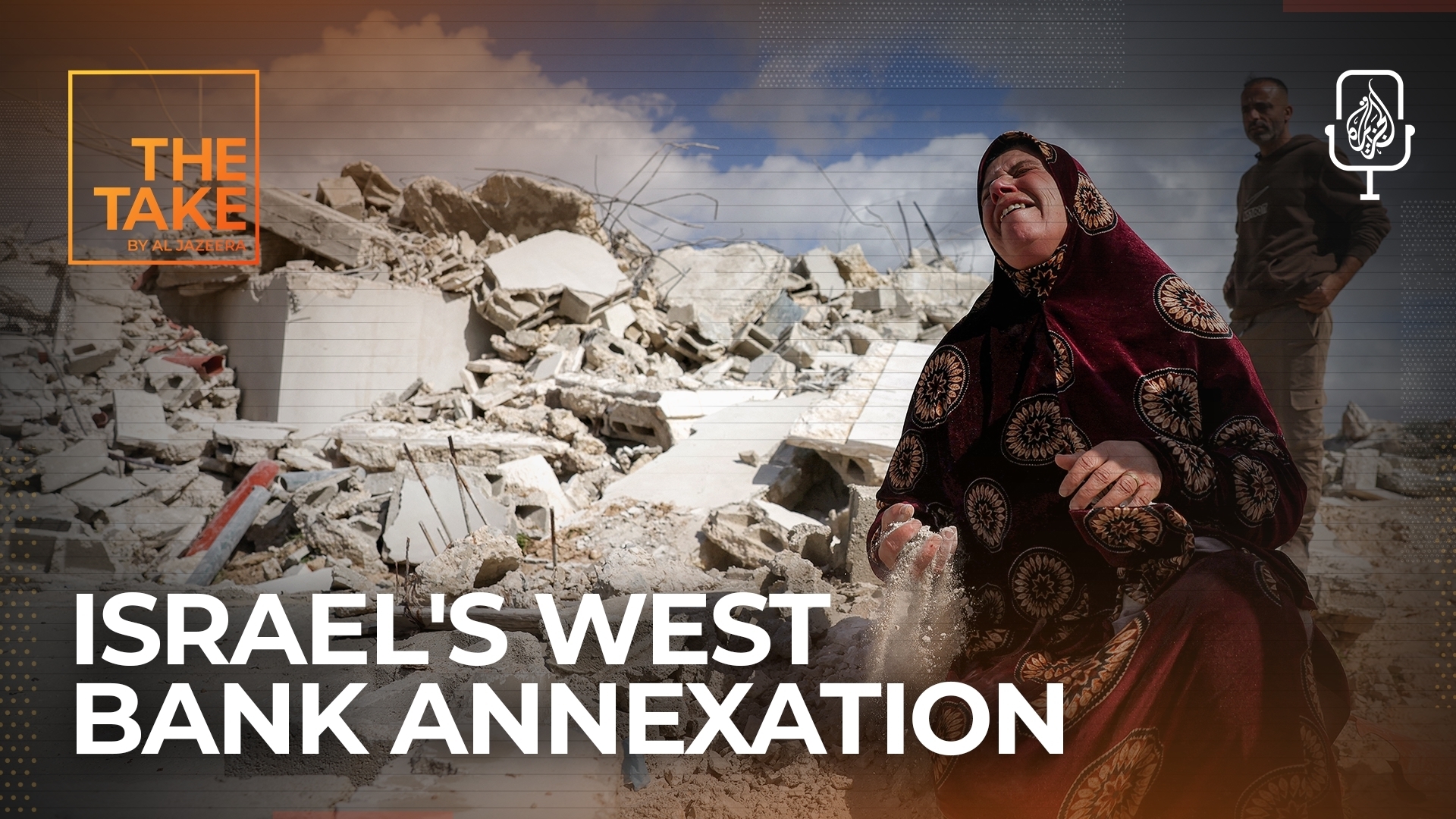
Earlier this week, Israel’s government approved a de facto annexation plan to plunder large areas of the occupied West Bank as Israeli “state property”, shifting the burden of proof to Palestinians to establish ownership of their land in a longstanding situation where Israel has made it all but impossible to obtain property titles.
The move has drawn international condemnation. This week, more than 80 United Nations member states slammed Israel’s plan to expand control over the occupied West Bank and claim large tracts of Palestinian territory.
The land theft is also considered a grave escalation that undermines the Palestinian people’s right to self-determination, effectively erasing any possibility of a Palestinian state.